Top 11 Mistakes to Avoid When Dealing With Suspected Asbestos
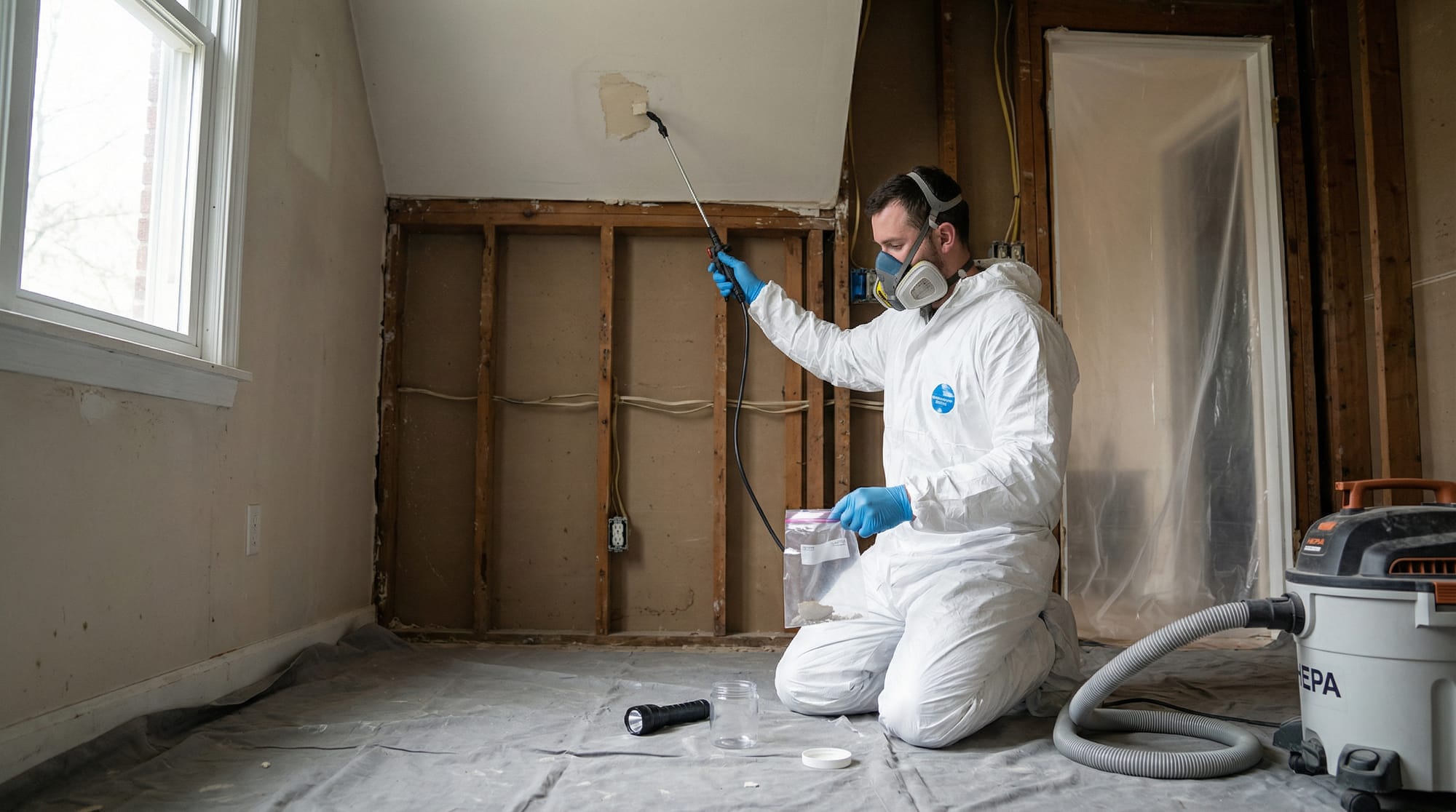
DR Asbestos & Environmental Services works with property owners, managers, contractors, and families who suddenly suspect asbestos in a home or building. The most dangerous part of this situation is not always the material itself, it is the mistakes people make when they panic, guess, or rush. Asbestos is most hazardous when disturbed and fibers become airborne. Many common DIY actions can release fibers and spread them through the property, increasing exposure risk and making cleanup far more expensive.
This article lists the top 11 mistakes to avoid when dealing with suspected asbestos. Each point explains what not to do, why it matters, and what to do instead. If you are unsure, treat the material as asbestos until a qualified professional confirms otherwise.
1) Assuming it is not asbestos because it looks “new” or “harmless”
One of the most common mistakes is judging risk by appearance. Asbestos containing materials can look like ordinary drywall texture, vinyl flooring, cement board, insulation, or roofing. Some products that appear modern or recently installed may still contain asbestos if old stock was used, if a remodel covered older layers, or if imported products were involved.
Why it matters: Visual identification is unreliable. Incorrect assumptions lead to cutting, sanding, drilling, or demolition that releases fibers.
Do this instead: Consider the building age and the material type. Many asbestos products were used broadly in construction for decades. When in doubt, stop work and arrange for proper sampling and laboratory analysis by qualified personnel.
2) Disturbing the material before testing, for example drilling, sanding, scraping, or tearing
A frequent, high risk error is continuing the project “just a little bit” before confirming what the material is. People drill pilot holes, scrape popcorn ceilings to “see what is under it,” pull up a corner of flooring, or sand joint compound to reduce dust. These actions can turn a stable material into a contaminated work area.
Why it matters: Asbestos is primarily a hazard when fibers become airborne. Disturbance can release microscopic fibers that linger in the air and settle into carpets, upholstery, and HVAC systems.
Do this instead: Stop work immediately. Avoid touching the suspect material. Isolate the area by keeping people out and closing doors. If the material is already damaged, avoid sweeping or vacuuming, and call for professional guidance.
3) Collecting a sample the wrong way, or sampling without proper controls
Some people try to save time by taking their own sample, but do it in a way that creates more contamination than the sample is worth. Common issues include using dry methods that generate dust, breaking brittle material into pieces, sampling in occupied areas, or handling debris without containment.
Why it matters: Even small sampling activities can release fibers, especially from friable materials like certain insulation or textured coatings. Improper sampling can spread contamination into adjacent rooms.
Do this instead: Use qualified professionals who can collect representative samples safely, use local controls, and document the location. If regulations in your area allow owner sampling, follow strict precautions, minimize disturbance, wet methods where appropriate, and secure the area. Always use an accredited laboratory for analysis. If you are uncertain, let professionals handle sampling.
4) Relying on a handyman or general contractor who is not qualified for asbestos work
Many property owners assume that any contractor can handle suspected asbestos, or that a contractor’s confidence equals competence. Asbestos is a regulated hazard with specific training, licensing requirements in many jurisdictions, and strict work practices for containment and disposal.
Why it matters: Unqualified work can contaminate the property, increase exposure, and create legal and financial consequences. It can also invalidate insurance claims or complicate future real estate transactions.
Do this instead: Verify qualifications. Ask whether the contractor is licensed or certified for asbestos abatement where required, what training staff have, what containment and air control methods will be used, and how waste will be transported and disposed of. Choose a specialist such as DR Asbestos & Environmental Services for assessment and abatement planning.
5) Trying to remove asbestos yourself, even if it seems like a “small area”
DIY removal is one of the most costly mistakes because it often turns a limited issue into a whole home problem. Small areas can still generate large amounts of airborne fibers when mishandled. People also underestimate how fast fibers spread through foot traffic, open windows, fans, and HVAC systems.
Why it matters: Improper removal commonly leads to cross contamination, higher cleanup costs, and increased health risk. It can also lead to fines or disposal violations.
Do this instead: Get an evaluation first. Sometimes the safest approach is to leave asbestos in place and manage it. If removal is necessary, use properly trained abatement professionals who use containment, negative air pressure, wet methods, and decontamination procedures.
6) Using the wrong PPE, or believing a simple dust mask is enough
A paper dust mask or basic hardware store face covering is not designed to protect against asbestos fibers. Another mistake is purchasing a respirator but using the wrong filter, poor fit, facial hair that breaks the seal, or removing the respirator while still in the contaminated area.
Why it matters: Inhalation is the primary exposure route. PPE failures can provide a false sense of safety. Also, PPE alone is not a control strategy. Proper containment and work methods are essential.
Do this instead: Avoid disturbing suspected asbestos at all. If entry into a suspect area is required for safety reasons, consult professionals. Effective protection depends on correct respirator selection, fit testing, training, and full protective procedures, including controlled removal and decontamination.
7) Dry sweeping, using compressed air, or vacuuming with a regular household vacuum
After a disturbance, many people instinctively clean up. Unfortunately, common cleaning methods can greatly increase airborne fibers. Dry sweeping kicks dust into the air. Compressed air blasts fibers throughout the room. Standard vacuums can exhaust fine particles back into the space because they are not designed for asbestos.
Why it matters: Improper cleanup can spread contamination to other rooms and embed fibers into soft furnishings. It can also contaminate the vacuum itself and any future areas where it is used.
Do this instead: Stop and isolate. Do not clean until you have professional guidance. Professional abatement teams use HEPA filtered equipment, wet cleaning methods where appropriate, and controlled waste handling. If you suspect an accidental release, contact a qualified asbestos professional to assess whether a specialized cleanup and clearance testing is needed.
8) Leaving HVAC running, using fans, or opening windows without a plan
People often try to “air it out” after creating dust. This can actually distribute fibers more widely. Running HVAC can pull fibers into ductwork and spread them throughout the building. Fans can aerosolize settled dust. Opening windows may move fibers to adjacent outdoor areas or into neighboring spaces depending on pressure and airflow.
Why it matters: Air movement is a major driver of fiber distribution. Once fibers enter ducts or multiple rooms, remediation becomes more complex and expensive.
Do this instead: If suspected asbestos has been disturbed, minimize air movement. Shut down forced air heating or cooling if advised by a professional, and do not use portable fans. Keep the area closed off. Professionals may use negative air machines and controlled ventilation strategies designed for containment, not general airing out.
9) Failing to isolate the area and control access, especially for children, pets, and workers
Another serious mistake is letting household members, tenants, or other trades continue to pass through the suspect area. Fibers can hitchhike on clothing, shoes, tools, and pet fur. Children are especially likely to touch surfaces and then touch their face. Workers may unknowingly track dust into vehicles and other job sites.
Why it matters: Cross contamination increases the number of people exposed and expands the cleanup footprint. It also creates confusion later about where contamination might have spread.
Do this instead: Restrict access immediately. Close doors, post a clear notice, and prevent entry. If the area must be passed through for essential reasons, consult a professional for temporary controls. Keep pets out and prevent anyone from removing items from the area until a plan is in place.
10) Putting asbestos waste in regular trash bags, dumpsters, or curbside bins
Improper disposal is both unsafe and commonly illegal. People may bag debris in thin household bags that tear. Others throw waste into open dumpsters, or transport it in personal vehicles without containment. These actions can release fibers during transport and create exposure risk for waste handlers and the public.
Why it matters: Asbestos waste has specific packaging, labeling, handling, and disposal requirements. Mishandling can lead to regulatory penalties and costly corrective actions. It can also put others at risk without their knowledge.
Do this instead: Use qualified abatement services that follow applicable regulations for waste packaging, labeling, transport, and disposal at approved facilities. If you already generated waste, do not move it further. Contact a professional to assess and advise on compliant next steps.
11) Skipping documentation, clearance steps, and long term management after the immediate issue
Even when removal or repair is performed, property owners sometimes fail to complete the process properly. Mistakes include not documenting sample results, not keeping a record of where asbestos was found, not confirming that the area is safe for re occupancy, or not creating an operation and maintenance plan when asbestos remains in place.
Why it matters: Without documentation, future renovations may disturb remaining asbestos. Lack of clearance or verification can leave lingering contamination unaddressed. In commercial or multi unit properties, missing records can lead to compliance problems and liability.
Do this instead: Keep all lab reports, scope of work documents, waste manifests, and final reports in a safe place. If asbestos remains, implement a management plan that includes labeling where appropriate, periodic condition checks, and rules for future work. Consider professional clearance verification, including visual inspection and air testing when recommended.
Practical next steps if you suspect asbestos
If you are currently facing a suspected asbestos situation, use this simple sequence to reduce risk:
Stop work and avoid further disturbance.
Keep people out of the area, including pets.
Minimize air movement and do not attempt aggressive cleaning.
Get professional help for testing, risk assessment, and a compliant plan.
Decide on the right strategy, which may be management in place, encapsulation, enclosure, or removal depending on material condition and your project goals.
Why these mistakes are so common
Suspected asbestos usually appears during time sensitive events, a renovation deadline, a real estate transaction, a water damage repair, or an emergency maintenance call. Under pressure, people take shortcuts. The safest approach is rarely the fastest in the moment, but it is almost always the least expensive and least disruptive over the full life of the project.
DR Asbestos & Environmental Services can help you move from uncertainty to a clear plan, with proper identification, controlled work methods, and documentation that supports safe occupancy and future renovations.
Important note: Requirements vary by location and material type. Always follow your local regulations and use qualified professionals for assessment and abatement decisions.